
The biggest Wikileak of the Renaissance
 Giacomo Gastaldi, map of Sumatra, from Ramusio's Navigationi et Viaggi, Venice, 1556
June 2, 2025 – Our Society had the privilege of hosting Andrea di Robilant, who shared with us the extraordinary story behind his book This Earthly Globe in a conversation brilliantly conducted by Polly Buxton. The evening unfolded as one of those rare occasions when you find yourself in front of someone whose knowledge and cultural depth are truly vast. We left inspired, grateful, and reminded of how powerful it is to learn from those who carry the past with such grace and intelligence.
This Earthly Globe is the captivating story of an Italian Renaissance editor whose passion for geography reshaped Europe’s understanding of the world. Di Robilant brings to life the palace intrigues, editorial wheedling, delicate alliances and vibrant curiosity that resulted in this coup by the editor Giovambattista Ramusio.
In the autumn of 1550, Venice saw the publication of a groundbreaking volume titled Navigationi et Viaggi (Journeys and Navigations)—a collection filled with new geographical knowledge, accompanied by striking woodcut maps of Africa, India, and Indonesia. Behind this extraordinary work was the meticulous hand of Giovambattista Ramusio, though he initially remained anonymous. Over the next few years, Ramusio released two more volumes, providing the most accurate and comprehensive accounts of Asia and the “New World” available at the time. Together, these three books represented an unprecedented flood of information—what Andrea di Robilant aptly calls the “biggest Wikileak of the Renaissance.” In This Earthly Globe, di Robilant delves into the complex world of palace politics, delicate negotiations, and scholarly persistence that fueled Ramusio’s project. He draws vivid portraits of the colorful voices woven throughout the collection, from Marco Polo’s famous journeys (carefully fact-checked by Ramusio himself) to detailed cultural accounts from figures like al-Hasan ibn Mohammad al-Wazzan (later known as Leo Africanus). Beyond the stories of adventure and discovery, di Robilant also sheds light on the darker legacies of colonialism and conquest that shadowed this era of exploration. The result is a rich, far-reaching tribute to a visionary editor whose work laid the foundations of modern geography—and opened European minds to the wider world.
Here is the LINK to purchase the book and the signed one.
Andrea Di Robilant was born in Rome, Italy, and attended a Swiss boarding school, Institut Le Rosey. He moved to New York for university, where he earned his BA in History in 1979 from Columbia College.
He is the eldest of three sons of Count Alvise Nicolis di Robilant e Cereaglio, of Piedmontese and Venetian ancestry, and American Elizabeth. His father was a descendant of Italian statesman and diplomat Carlo Felice Nicolis, conte di Robilant. His great-great-great-great grandmother, Lucia Memmo, married Alvise Mocenigo, a member of the House of Mocenigo that played a pivotal role in Venice’s history. In 1818, Lucia rented the piano nobile of Palazzo Mocenigo to Lord Byron, who wrote parts of Don Juan at the family mansion, and hosted illustrious figures such as François-René de Chateaubriand and Effie Ruskin throughout her life. Lucia’s father, Andrea Memmo, was the Venetian ambassador to the Papal States and a prominent citizen of the Republic of Venice. Both of di Robilant’s ancestors became subjects of his books.
Date: Monday, June 2, 2025
Time: Six in the afternoon
Location: Carolina Society Hall, 72 Meeting Street, Downtown Charleston
More past events
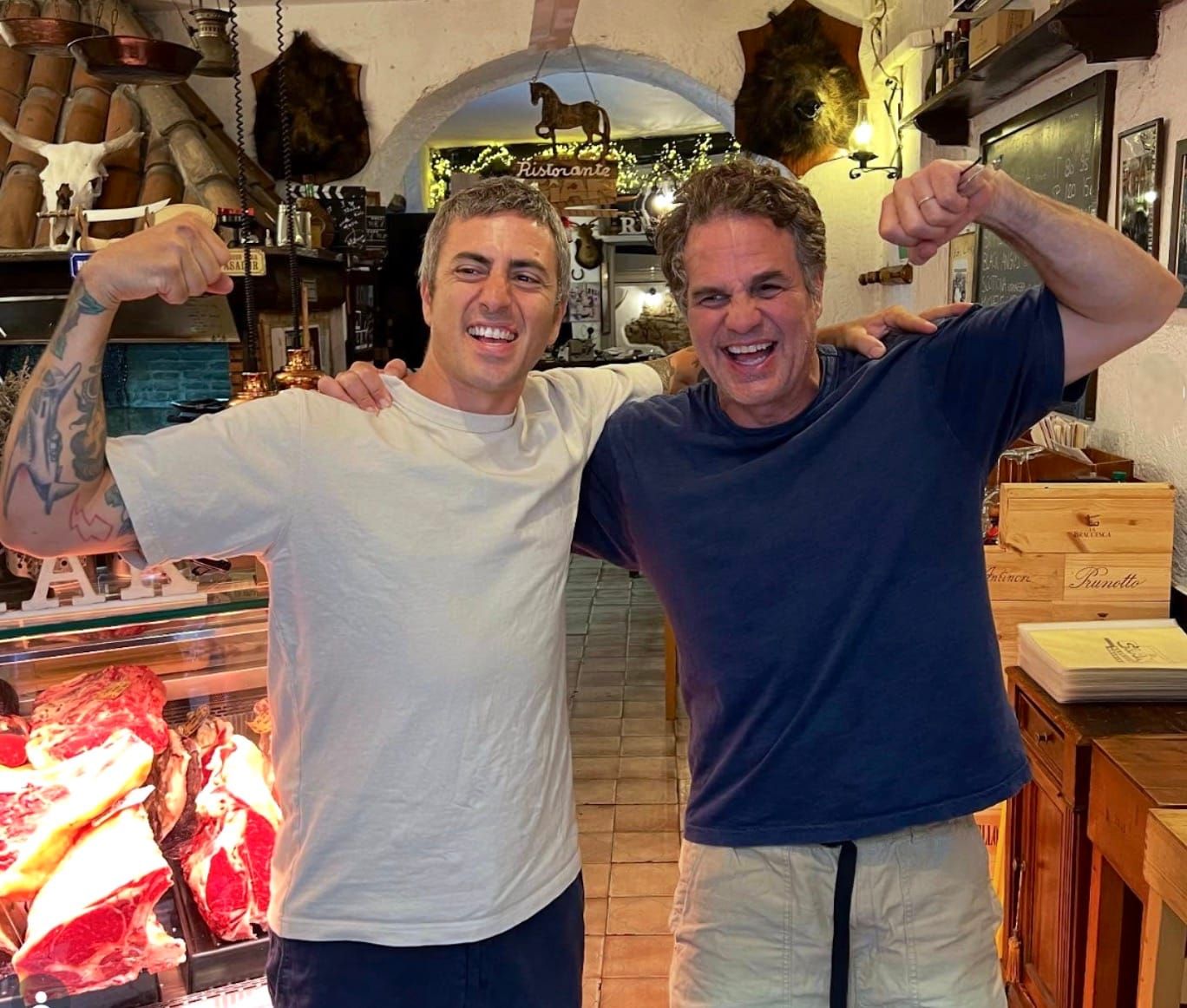 A family recipe in Rome that attracts movie starsWhy so many film stars find their way to one small trattoria in Trastevere.Read more
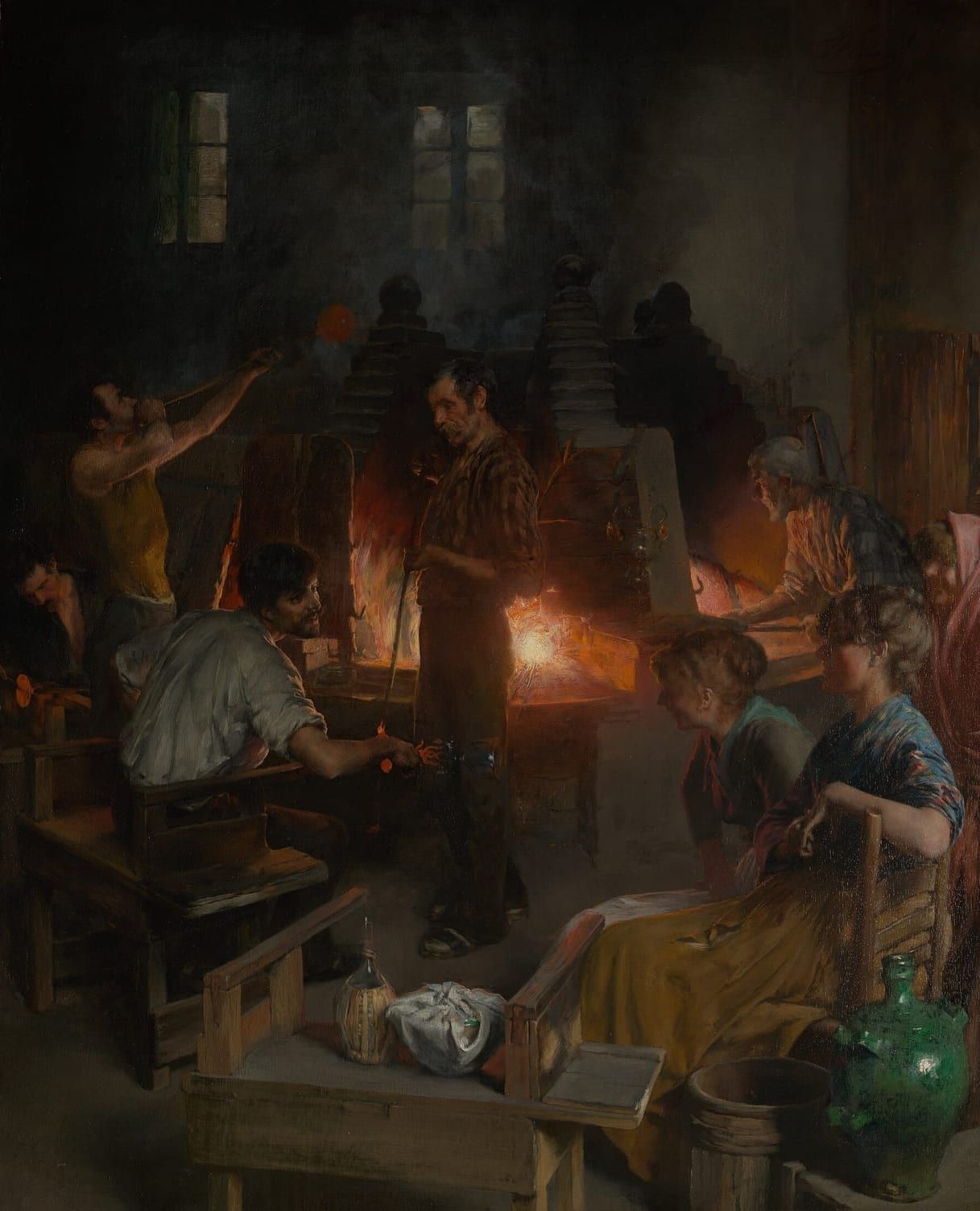 A journey into the history of Murano glassFrom the Venetian Republic to today: the story of Murano's blown glass.Read more
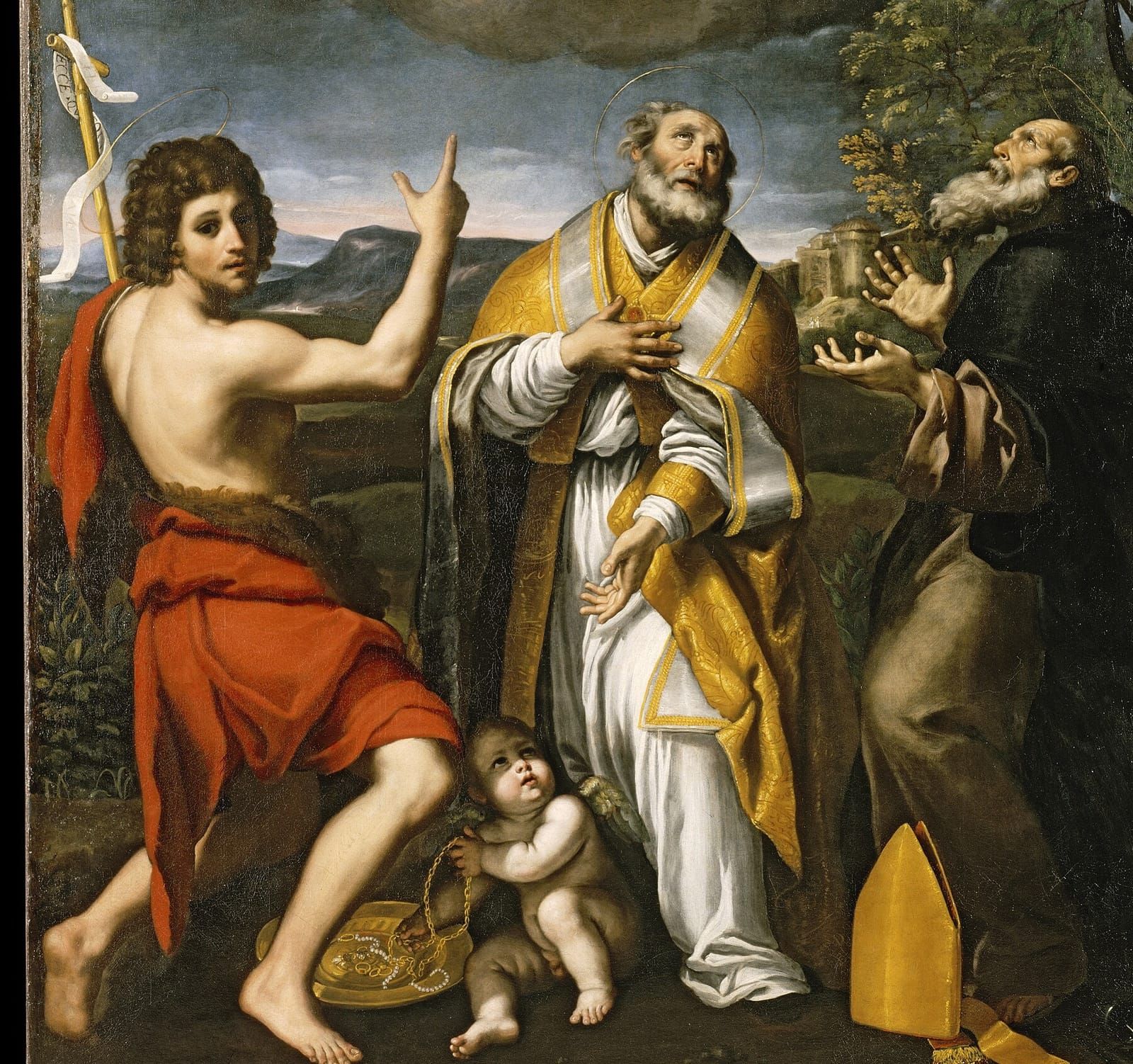 Italian paintings in the US and their conservationHow Italian Old Masters reached American collections, and how they are cared for.Read more
 Etruscans: a civilization that shaped ItalyThe people who flourished in central Italy before Rome.Read more
Unisciti a noi
Become a member
Keep Italian culture alive in Charleston, the way it was kept alive among those who left Italy.
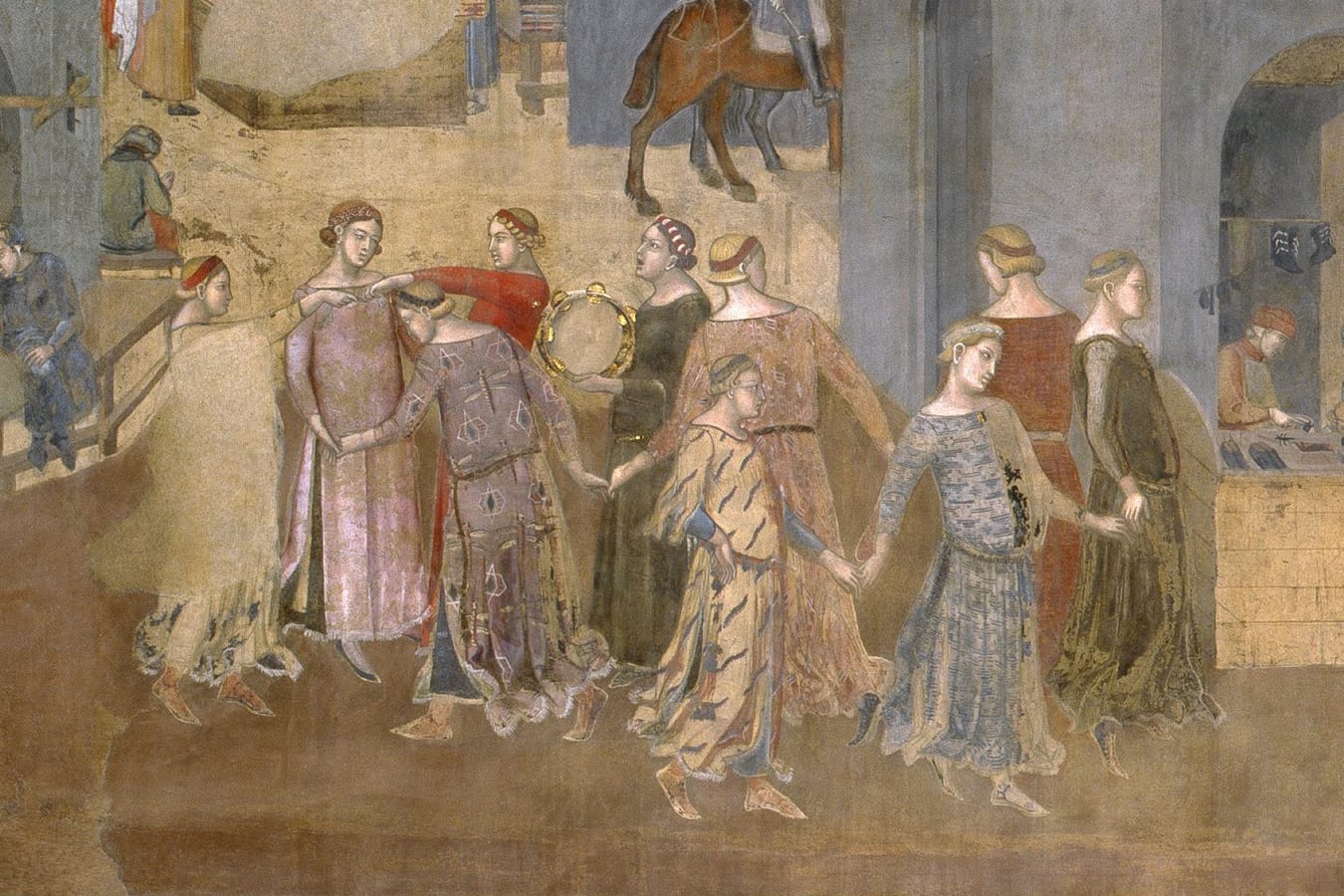 Ambrogio Lorenzetti, Effects of Good Government in the City, c. 1338, Palazzo Pubblico, Siena
- Every event of the yearTalks, concerts, film nights and dinners, all season long.
- Bring a guestYour spouse or a friend comes with you.
- Members-only eveningsInvitations to our VIP events.
- Tax-deductibleWe are a nonprofit: your membership is fully deductible.